
T: +86-189-2891-8174
E: wechupack@yeah.net
E: wechupack@yeah.net
104 The Second Building, No.43 Haichong Road, Shiqi Town,Panyu District, Guangzhou City, China


Views: 0 Author: Site Editor Publish Time: 2026-07-14 Origin: Site


In the cosmetics industry, a compromised seal means oxidized active ingredients, leaking essential oils, and damaged brand reputation. When buyers open a newly delivered serum only to find spillage, you lose their trust instantly. Upgrading to a specialized foil sealing machine for cosmetics prevents tampering. It extends product shelf life significantly. You also easily meet rigorous safety standards required by modern retail and e-commerce platforms.
We designed this guide to help you navigate the complex equipment market. This guide breaks down how to evaluate, select, and implement the right sealing equipment based on production volume, container materials, and compliance requirements. You will discover exactly how to safeguard delicate formulations like retinol and vitamin C. We also explore the best ways to match specific machine types to your unique workflow, ensuring you maximize yield without sacrificing seal integrity.
Selecting the right machine depends on matching your throughput requirements with manual, semi-automatic, or fully automatic inline systems.
Successful induction sealing requires the exact alignment of container material, cap torque, and foil liner type.
Evaluating a personal care packaging machine requires looking beyond theoretical speed to consider changeover times, GMP compliance, and power consistency.
Always require supplier sample testing with your specific caps and formulas before finalizing a purchase.
Cosmetic manufacturers face intense scrutiny regarding product quality and presentation. Upgrading your cosmetic bottle sealing machine delivers measurable improvements across multiple business functions. It protects your formulations while elevating the consumer experience.
Air exposure destroys complex active ingredients quickly. Hermetic foil seals prevent oxidation of sensitive compounds like Vitamin C, Retinol, and Peptides. They create an impenetrable oxygen barrier. This barrier also prevents volatile weight loss. Essential oils and alcohol-based toners easily evaporate through standard screw caps. Foil induction seals trap these volatile elements inside the container. Your customers receive the exact volume and potency you intended to deliver.
E-commerce fulfillment exposes packages to severe transit stress. Dropped boxes and pressure changes cause significant damage. You must eliminate the risk of oil-based serums leaking. Heavy creams also require secure containment. A proper foil seal acts as a secondary defense mechanism. Even if a cap vibrates loose during shipping, the induction seal holds the product safely inside.
Modern consumers demand hygiene assurances. They expect personal care products to arrive pristine and untouched. Foil seals provide immediate, visual tamper evidence. If a product arrives unsealed, buyers know it immediately. This physical barrier helps you meet strict industry regulations. Retailers increasingly mandate tamper-evident packaging before stocking personal care brands on their shelves.
Unboxing is a critical touchpoint for cosmetic brands. Delivering a clean, professional experience free of product spillage builds brand loyalty. A perfectly sealed jar communicates quality and care. Consumers interpret this attention to detail as a sign of a premium formulation. Conversely, sticky jars and stained labels quickly destroy a brand's premium positioning.
You must match your sealing technology to your current production volume and future growth targets. Selecting the wrong machine type creates severe production bottlenecks. Here is a breakdown of the primary sealing technologies available.
These compact devices resemble large barcode scanners. Operators manually place the sealing head over each capped bottle. They pull a trigger to initiate the electromagnetic field.
Best for: Startups, R&D labs, and low-volume batch runs.
Pros: They are highly portable and extremely cost-effective. You can move them easily between different work stations.
Cons: Handheld units rely entirely on operator consistency for dwell time. If operators hold the wand too long, they scorch the foil. If they remove it too quickly, they create a weak seal. This inconsistency creates a high risk of under-sealing.
Desktop sealers bridge the gap between manual labor and full automation. Operators place the bottle onto a designated platform. The machine lowers the sealing head and applies the magnetic field for a precisely timed interval.
Best for: Mid-volume operations requiring standardized seal quality.
Pros: This equipment automates the sealing timer and pressure. You remove the human error associated with dwell time. Every bottle receives the exact same heat exposure.
Cons: The process still requires manual loading and unloading. This physical handling caps your maximum throughput potential.
Inline systems mount directly over your existing conveyor belts. Capped bottles pass continuously under a long induction coil. The field heats the foil liners as the bottles travel.
Best for: High-volume, continuous production lines.
Pros: This system integrates seamlessly into existing conveyor systems. It offers the lowest cost-per-unit and the highest consistency. You achieve rapid production rates without manual intervention.
Cons: Inline systems require a high initial capital expenditure. They also demand more floor space and careful synchronization with conveyor speeds.
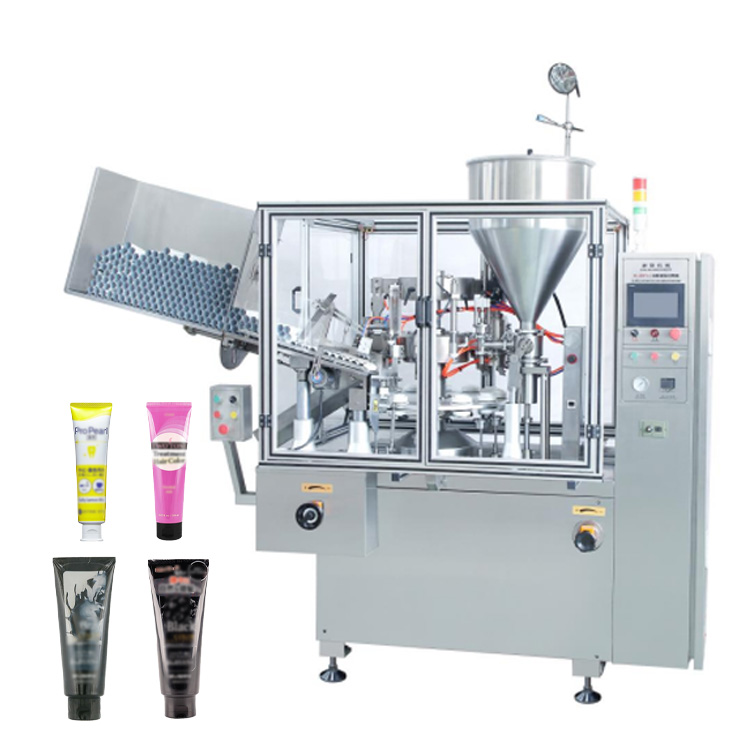
Cosmetic tubes require specialized handling. A soft tube sealing machine addresses two very different sealing zones on a single container.
First, you must consider orifice foil sealing. This process places a small foil disk directly over the dispensing hole under the cap. Second, you must seal the tail of the cosmetic soft tube. Tail sealing usually utilizes ultrasonic waves or direct heat crimping to fuse the plastic or laminate. Orifice foil sealing requires a specific punch-and-seal station. You typically operate this as a separate module from the tail-crimping process.
Best Practices: Always verify your container materials before selecting a machine. Ensure your team understands the difference between conduction heating and induction heating. Induction relies on a magnetic field passing through non-metallic caps.
Common Mistakes: Many buyers attempt to use standard induction sealers on metal caps. This mistake heats the entire metal cap indiscriminately, often melting the plastic bottle threads.
Evaluating a personal care packaging machine requires a critical look at daily operations. You need equipment that handles diverse product lines without excessive downtime.
Induction sealing depends entirely on material synergy. You must understand the relationship between the bottle material (PET, PE, Glass) and the foil liner's heat-seal layer. Standard induction requires non-metallic caps. The magnetic field passes through plastic caps seamlessly to heat the foil. If you use glass containers, you need specialized foil liners designed specifically for glass adhesion.
Cosmetic Packaging Compatibility Matrix
Container Material | Recommended Foil Liner Type | Application Notes |
|---|---|---|
PET (Polyethylene Terephthalate) | PET-compatible Heat Seal Layer | Requires precise heat control to prevent bottle thread deformation. |
PE (Polyethylene) | PE-compatible Heat Seal Layer | Highly robust. Creates a strong, deep weld seal easily. |
Glass Jars/Bottles | Surlyn or Specially Coated Foil | Glass does not melt. The liner requires an aggressive adhesive layer to bond properly. |
Cosmetic brands rarely sell just one product size. You must evaluate the machine’s sealing head or coil size. Can it handle small serum dropper bottles as well as wide-mouth body butter jars? Single-coil machines limit your size range. Look for universal flat coils or easily swappable tunnel coils. If you frequently change container sizes, costly change parts destroy your efficiency.
Do not simply trust the manufacturer's maximum "bottles per minute" (BPM) rating. Theoretical speed rarely matches actual production. Look beyond the raw BPM. Account for changeover times between different bottle sizes. Factor in your expected rejection rates. A machine running at 80 BPM with perfect consistency yields more sellable product than a erratic machine struggling at 120 BPM.
Cosmetic environments require strict hygiene protocols. Assess the equipment for proper Ingress Protection (IP) ratings. High IP ratings ensure washdown capability. You need stainless steel construction to prevent rust and harbor points for bacteria. Evaluate the ease of cleaning. Avoid machines with complex crevices or exposed wiring that trap spilled lotions and powders.
Even the most expensive inline sealer fails if you ignore the environmental and mechanical variables surrounding it. Successful foil sealing relies on strict process controls.
Cap torque acts as the physical foundation for induction sealing. Induction sealing relies on the cap providing adequate, uniform downward pressure on the foil liner. As the foil heats, the polymer layer melts. The cap pressure pushes this melted polymer into the lip of the bottle. Insufficient torque guarantees seal failure. If a cap sits loosely, the foil heats up but fails to bond. It simply cools and floats above the bottle lip. Ensure your capping machines deliver consistent torque before bottles reach the sealer.
You must differentiate between one-piece and two-piece liners. They serve completely different consumer needs.
One-piece liners: These create a permanent weld seal. Consumers destroy the foil upon opening. They leave nothing inside the cap. You typically use these for single-use products or items that do not require resealing.
Two-piece liners: These liners feature a wax bond joining the foil to a pulp or foam backing. During induction, the wax melts. The foil drops onto the bottle lip. The secondary backing remains inside the cap. This backing helps reseal the jar when consumers screw the cap back on. Body lotions and face creams almost exclusively use two-piece liners.
Induction sealers draw significant electrical current. Voltage fluctuations in industrial facilities lead to inconsistent sealing profiles. A sudden drop in voltage produces a weak bond. A power spike scorches the foil entirely, burning the product beneath it. You should install dedicated power lines for your sealing equipment. Use power conditioners if your facility experiences frequent electrical surges.
Continuous high-speed production generates massive amounts of heat within the induction coil. You must choose between water-cooled and air-cooled systems. Air-cooled systems work well for moderate speeds. They require less maintenance. However, high-speed lines demand water-cooled systems. Water cooling actively removes heat from the coil, preventing equipment failure and ensuring consistent magnetic field generation over long shifts.
What to Watch Out For: Pay close attention to scorch marks on the liner backing. Standard quality control methods include vacuum leak testing and push-tests. However, visual inspection for uniform scorch marks on the liner backing reveals exactly how evenly the heat distributed during the sealing process. Uneven scorch marks indicate an unlevel coil or improperly threaded caps.
Purchasing capital equipment requires a methodical approach. Follow these structured steps to ensure you acquire the right technology for your specific cosmetic packaging needs.
Step 1: Define the Spec Sheet. Document every variable before contacting suppliers. List your bottle materials and specific cap diameters. Detail your product types, noting whether they are liquid serums, heavy creams, or dry powders. Clearly define your target Bottles Per Minute (BPM) based on realistic operational shifts.
Step 2: Require Sample Testing (FAT). Never buy sealing equipment based solely on a brochure. Require a Factory Acceptance Test (FAT). Send your actual bottles, your exact caps, and your chosen foil liners to the manufacturer. Ask them to run a proof-of-concept test. Review the returned samples using a vacuum leak tester to verify the seal integrity.
Step 3: Evaluate Support and Scalability. Cosmetic trends change rapidly. You might need to seal larger jars next year. Assess the machine's scalability. Can you easily upgrade the sealing head? Furthermore, evaluate the availability of spare parts. Determine if the manufacturer offers reliable local technical support. Review their warranty terms carefully to avoid prolonged downtime during sudden breakdowns.
A reliable foil sealing process is a non-negotiable layer of product security in the modern cosmetics sector. It protects your costly formulations, prevents transit disasters, and ensures regulatory compliance. Consumers judge your brand the moment they open the package. A pristine seal communicates quality and safety.
We strongly advise prioritizing equipment that offers verifiable consistency and material compatibility over raw speed. A slower machine that seals perfectly every time outperforms a fast machine that generates a high rejection rate. High rejection rates waste both expensive active ingredients and valuable packaging materials.
Start your optimization journey today. Audit your current leak rates across all product lines. Gather physical samples of your most problematic packaging. Use these physical samples to begin focused, data-driven conversations with equipment suppliers.
A: Yes, they can. However, you must use a specialized foil liner designed specifically for glass adhesion. Standard plastic-compatible liners will fail. Furthermore, the cap must apply sufficient downward pressure on the glass rim to ensure the specialized adhesive bonds correctly.
A: Yes. Standard electromagnetic induction sealers heat metal caps indiscriminately. This melts plastic bottle threads and burns the product. You require specialized cap-less conduction sealers or modified induction heads specifically engineered for metal closures.
A: Standard quality control methods include vacuum leak testing and destructive push-tests. You should also conduct regular visual inspections. Look for uniform scorch marks on the liner backing inside the cap. Uneven marks indicate uneven pressure or crooked threading.
A: Yes, but it requires a dedicated module. Orifice sealing requires a specific foil-punching and heat-sealing station. This station operates completely separately from the tail-crimping and tail-sealing process at the bottom of the tube.


