
T: +86-189-2891-8174
E: wechupack@yeah.net
E: wechupack@yeah.net
104 The Second Building, No.43 Haichong Road, Shiqi Town,Panyu District, Guangzhou City, China


Views: 0 Author: Site Editor Publish Time: 2025-12-25 Origin: Site


Did you know that the right sauce packaging can make or break your product’s shelf life? Packaging plays a crucial role in preserving freshness and attracting customers.
In this guide, we will dive deep into the world of sauce packaging in 2025. You'll discover the latest trends, the best materials, and how packaging choices impact your sauce's quality and consumer appeal.
The packaging of sauces has evolved dramatically over the years, from simple glass bottles and jars to modern, eco-friendly solutions. In the early days, glass was the go-to material for sauces, as it was durable and preserved the product’s taste. However, as consumer demand for convenience grew, manufacturers began exploring other materials like plastic and flexible pouches. This shift has led to significant improvements in ease of use, storage, and shipping efficiency.
In 2025, sauce packaging continues to innovate with advancements such as vacuum sealing, tamper-evident closures, and packaging materials that enhance shelf life. Modern technologies enable manufacturers to package sauces in ways that maintain freshness, reduce waste, and improve consumer convenience. For instance, the introduction of aseptic packaging allows sauces to be stored without refrigeration, extending their shelf life and reducing the need for preservatives.
Glass bottles remain a popular choice for premium sauces like ketchup, hot sauce, and gourmet products. They provide a high-end feel, preserve the flavor of sauces, and offer an excellent barrier against external elements like air and light. Additionally, glass bottles are recyclable, making them an attractive option for environmentally conscious consumers.
Plastic packaging, especially PET (polyethylene terephthalate) bottles and flexible pouches, has become increasingly popular due to their lightweight nature, cost-effectiveness, and ease of use. These packaging options are ideal for sauces such as salad dressings, barbecue sauces, and other liquid condiments. Flexible pouches also offer advantages like portability, resealability, and the ability to dispense the sauce easily.
Packaging Type | Material | Benefits | Common Uses |
Glass Bottles | Glass | Preserves flavor, premium appeal, recyclable | Ketchup, hot sauces, gourmet sauces |
Plastic Bottles | PET (Plastic) | Lightweight, cost-effective, easy to dispense | Salad dressings, barbecue sauces |
Flexible Pouches | Polyethylene | Easy to squeeze, resealable, minimal space | Liquid sauces, single-serving packets |
Metal Cans | Aluminum/Tin | Durable, long shelf life, tamper-evident | Specialty sauces, high-end products |
With the growing demand for sustainability, many manufacturers are turning to biodegradable and recyclable materials. Bioplastics and paper-based packaging solutions are gaining traction, allowing companies to meet eco-conscious consumer demands while reducing their environmental footprint. In 2025, more brands are expected to integrate sustainable practices into their packaging strategies, making eco-friendly packaging a standard rather than an exception.
Tip: Incorporating sustainable packaging into your product line not only helps the environment but can also improve your brand’s image and appeal to eco-conscious consumers.
The consistency and type of sauce play a key role in determining the right packaging. Thick sauces, such as tomato paste or mustard, require packaging that can easily dispense the product, while thinner sauces, like vinaigrettes, may require different types of containers to avoid spills. Flexible pouches are often the best solution for thicker sauces, while liquid sauces may work better in bottles.
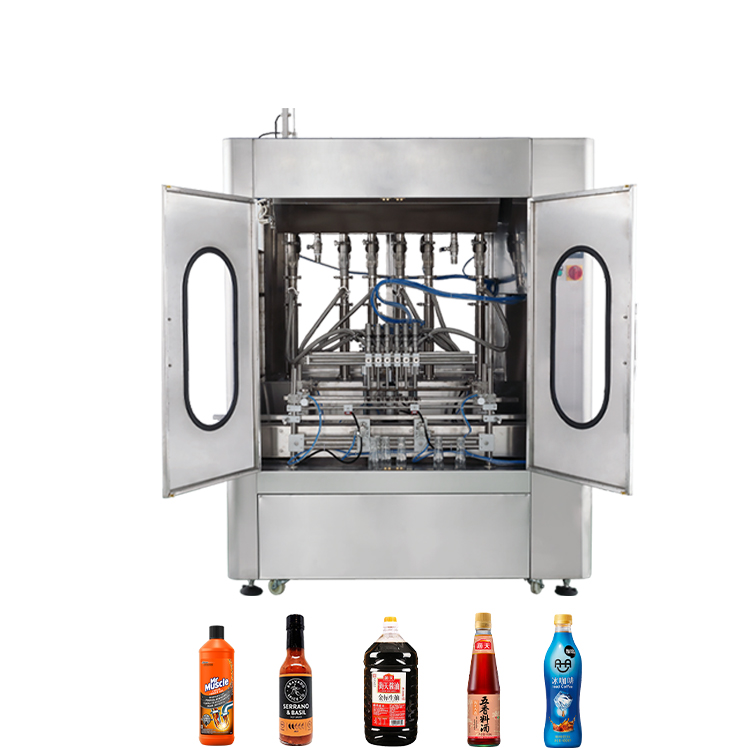
Sauces with a longer shelf life require packaging that helps preserve freshness and prevent spoilage. The material and sealing methods used in packaging can significantly affect the shelf life of sauces. A vacuum-sealed pouch or an airtight glass bottle can prevent oxygen exposure and maintain flavor. Additionally, some advanced packaging technologies, such as oxygen scavengers or barrier films, are being incorporated into sauce packaging to further extend shelf life.
Packaging that is easy to open, close, and store is critical for consumer satisfaction. Features like resealable caps, squeezable bottles, and single-serving packets are all factors that enhance the user experience. Consumers increasingly value convenience, and offering packaging that caters to these preferences can significantly boost sales and brand loyalty.
Tip: Consider your target market’s needs when choosing packaging. For families, larger bottles with easy-pour spouts may be ideal, while single-serve packets might appeal to on-the-go consumers.
Sustainability remains one of the most significant trends in sauce packaging for 2025. Consumers are increasingly looking for brands that prioritize environmentally friendly packaging, such as recyclable, reusable, or compostable options. Packaging that minimizes plastic use and maximizes recyclability can help brands reduce their environmental footprint and meet consumer demand for eco-friendly products.
Sustainable Packaging Solution | Description | Benefits |
Biodegradable Plastics | Made from renewable resources, decomposes naturally | Reduces plastic waste, eco-friendly option |
Recyclable Glass Bottles | Glass containers that can be recycled multiple times | Long-lasting, reduces landfill waste |
Plant-based Plastics | Derived from plant materials such as corn or sugarcane | Lowers carbon footprint, biodegradable |
Compostable Packaging | Packaging that can break down into natural elements in compost | Reduces environmental impact, eco-conscious |
Packaging is often the first point of interaction between the consumer and the brand. In 2025, brands are focusing more on custom, eye-catching packaging that reflects their identity and enhances consumer engagement. Unique shapes, vibrant colors, and bold labeling help sauces stand out on the shelf and create a memorable impression.
Tip: Invest in unique and customizable packaging that aligns with your brand’s story to increase product appeal and drive consumer loyalty.
In 2025, we are seeing more sauces packaged with smart technologies such as QR codes, freshness indicators, and temperature-sensitive labels. These innovations provide consumers with added value by giving them insights into the product’s freshness, quality, and origin, making it easier for them to make informed decisions.
Fluctuating material costs are a significant challenge for the sauce packaging industry. Packaging materials like plastic, glass, and aluminum can vary in price depending on supply chain factors, such as availability and demand. Manufacturers need to find ways to maintain cost-effectiveness without compromising product quality or sustainability.
Sauces, especially those with high liquid content, are prone to leakage if packaging is not correctly sealed or designed. Preventing leaks during transportation and storage is crucial to maintaining product integrity and customer satisfaction. Therefore, packaging designs must incorporate secure seals and robust materials to protect the sauce from contamination.
While sustainability is crucial, manufacturers must also consider functionality. Eco-friendly packaging should not come at the cost of the product’s usability or preservation. Striking the right balance between sustainable materials and functionality is key to creating packaging that appeals to both environmentally conscious and practical consumers.
The future of sauce packaging looks promising, with innovations such as biodegradable films, edible packaging, and smart packaging technologies gaining traction. In 2025, it’s expected that packaging will become even more sustainable and efficient, offering enhanced functionality while reducing environmental impact.
By 2025, consumers will increasingly demand packaging that aligns with their values—especially regarding sustainability, ease of use, and convenience. Brands that invest in packaging solutions that meet these preferences will have a competitive edge in the market.
Sauce packaging has evolved significantly in 2025, driven by sustainability and innovation. Packaging not only preserves the freshness of sauces but also enhances branding and consumer appeal. Guangzhou Tengzhuo Packing Equipment Co., Ltd. offers advanced packaging solutions that cater to the growing demand for functional, eco-friendly, and cost-effective sauce packaging. Their equipment ensures high-quality, efficient packaging that meets industry standards and consumer preferences.
A: Sauce packaging refers to the materials and methods used to contain and preserve sauces. It’s crucial for protecting the product from contamination, extending shelf life, and ensuring convenience for consumers.
A: Common types of sauce packaging include glass bottles, plastic bottles, and flexible pouches. Each option offers different benefits in terms of preservation, cost, and consumer convenience.
A: Sustainable sauce packaging reduces environmental impact by using recyclable or biodegradable materials. This appeals to eco-conscious consumers and helps reduce plastic waste.
A: Proper sauce packaging, such as vacuum sealing and airtight containers, helps preserve freshness and prevents spoilage, ensuring longer shelf life and maintaining flavor.
A: Factors like the sauce's consistency, preservation needs, consumer convenience, and environmental impact influence the choice of packaging material and design.


