T: +86-189-2891-8174
E: wechupack@yeah.net
E: wechupack@yeah.net
104 The Second Building, No.43 Haichong Road, Shiqi Town,Panyu District, Guangzhou City, China


Views: 0 Author: Site Editor Publish Time: 2025-12-29 Origin: Site


Modern packaging fails when labels slow the line.Manual methods create errors and waste.An Automatic Sticker Labeling Machine solves speed and accuracy limits. It supports compliance and brand consistency.In this article, you will learn key specifications, features, and benefits.It helps you choose the right solution with confidence.
Specifications define the operational boundaries of a Labeling Machine and determine whether it can reliably support both current production volumes and future expansion plans. A clear understanding of these parameters is essential when evaluating equipment suitability.
Labeling speed is commonly expressed in units per minute and varies depending on container geometry, label size, and application method. Automatic machines typically operate within a range of 60 to 300 units per minute, with higher speeds achievable on round containers due to continuous rotation. However, speed alone does not define productivity. True production capacity must align with upstream filling and downstream packaging processes to avoid bottlenecks or idle time.
A versatile Labeling Machine supports a wide range of label dimensions and materials, including paper, PET, BOPP, and transparent films. Each material responds differently to tension, peeling force, and environmental conditions. Advanced machines incorporate adjustable or automatic tension control systems that maintain stable feeding performance as label roll diameter changes, reducing wrinkles, misalignment, and material waste.
Automatic sticker labeling systems are designed to handle bottles, jars, cans, flat cartons, and irregular containers. Key considerations include container diameter, height range, surface curvature, and rigidity. Machines with adaptable guides and positioning mechanisms allow fast changeovers between formats, minimizing downtime and supporting diversified product portfolios.
Label placement accuracy directly affects product appearance, barcode readability, and regulatory compliance. Most modern automatic systems achieve placement tolerances within ±1 mm by using precision sensors that detect container position and label gaps in real time. High accuracy reduces rejection rates and ensures consistent shelf presentation across production batches.
Most Labeling Machines operate on standard industrial electrical power and require compressed air for dispensing and positioning functions. Compact machine footprints simplify integration into existing production lines and allow greater flexibility for future layout changes. Matching infrastructure requirements with factory capabilities ensures smooth installation and long-term reliability.
Specification Category | Typical Range | Why It Matters |
Labeling speed | 60–300 units per minute | Determines line efficiency |
Label size range | Adjustable length and width | Supports multiple SKUs |
Container compatibility | Bottles, jars, cans, flat surfaces | Increases application flexibility |
Labeling accuracy | ±1 mm | Ensures compliance and appearance |
Power and air supply | Standard industrial power and air | Simplifies installation |
Machine footprint | Compact to medium size | Saves production floor space |
Functional features determine how efficiently and reliably a Labeling Machine performs in daily operation, translating technical specifications into practical usability.
Photoelectric sensors monitor label presence, container position, and label gaps to prevent missing labels or double application. When faults occur, the system triggers alarms or stops automatically, preventing large batches of defective products. Some machines integrate vision inspection systems to further enhance quality control without sacrificing speed.
PLC-based control systems ensure stable logic execution and repeatable motion control. Touchscreen human-machine interfaces allow operators to adjust parameters easily, store product recipes, and perform changeovers quickly. This reduces operator dependency and minimizes setup errors.
Consistent label feeding is essential for high-speed operation. Automatic tension control compensates for changes in roll diameter and material characteristics, ensuring smooth dispensing throughout long production runs. This feature significantly reduces downtime caused by label breaks or skewing.
An automatic Labeling Machine is typically integrated with fillers, cappers, and coding systems to form a cohesive packaging line. Communication signals synchronize speeds and start-stop sequences, reducing manual handling and improving overall line efficiency.
Automation transforms labeling from a labor-intensive task into a controlled, measurable process with predictable outcomes.
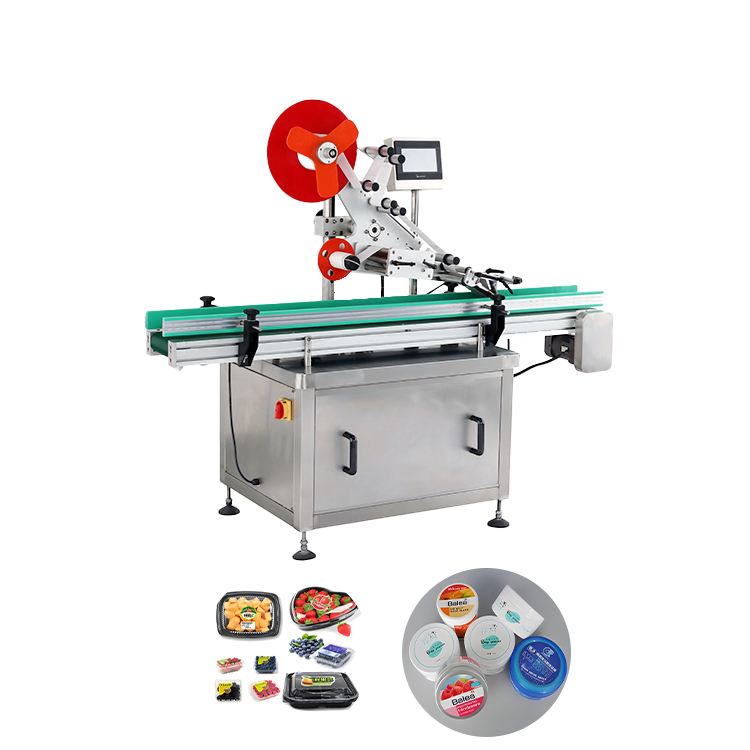
Manual labeling relies heavily on operator skill and attention, leading to variation over time. Automatic machines repeat the same motion with precision, delivering uniform label placement across entire production runs and enhancing brand consistency.
An automatic Labeling Machine replaces multiple manual stations, allowing operators to focus on monitoring and quality inspection. This reduces labor costs, simplifies training, and improves workforce stability.
Unlike manual processes, automatic systems maintain consistent speed across long shifts without fatigue. Predictable throughput supports accurate production planning and reliable delivery schedules.
Operational benefits explain how technical capabilities translate into tangible business outcomes.
Automatic labeling keeps pace with high-speed filling and capping operations, reducing idle time and improving overall equipment effectiveness. Even small efficiency gains accumulate into significant long-term savings.
Precise label placement minimizes rework and scrap, reducing material consumption and quality control costs. Stable feeding systems further decrease label waste over extended production periods.
Consistent, well-aligned labels improve shelf appeal and reinforce brand image. Professional presentation increases consumer confidence and supports premium product positioning.
Clear, accurate labeling ensures compliance with industry regulations and supports batch tracking and barcode scanning. This is especially critical in food, pharmaceutical, and chemical industries, where labeling errors carry significant risk.
Different industries place different demands on labeling systems, making application-specific configuration essential.
High speed, moisture resistance, and hygiene-friendly designs are critical. Machines must handle condensation and frequent container changes while maintaining stable adhesion.
Precision, repeatability, and compliance dominate requirements. Labeling Machines often integrate inspection systems to verify label content and placement accuracy.
Frequent SKU changes and diverse container shapes require flexible machines with fast changeover capabilities to support dynamic marketing strategies.
Selecting the right Labeling Machine is a strategic decision that affects daily operations, long-term costs, and future scalability. Buyers must balance immediate production requirements with long-term operational goals to avoid underperforming equipment or unnecessary investment. A careful evaluation process helps ensure that the machine delivers stable performance, adapts to change, and provides lasting value over its service life.
Oversized machines waste capital and space, while undersized systems limit growth. Accurate production data should guide specification selection.
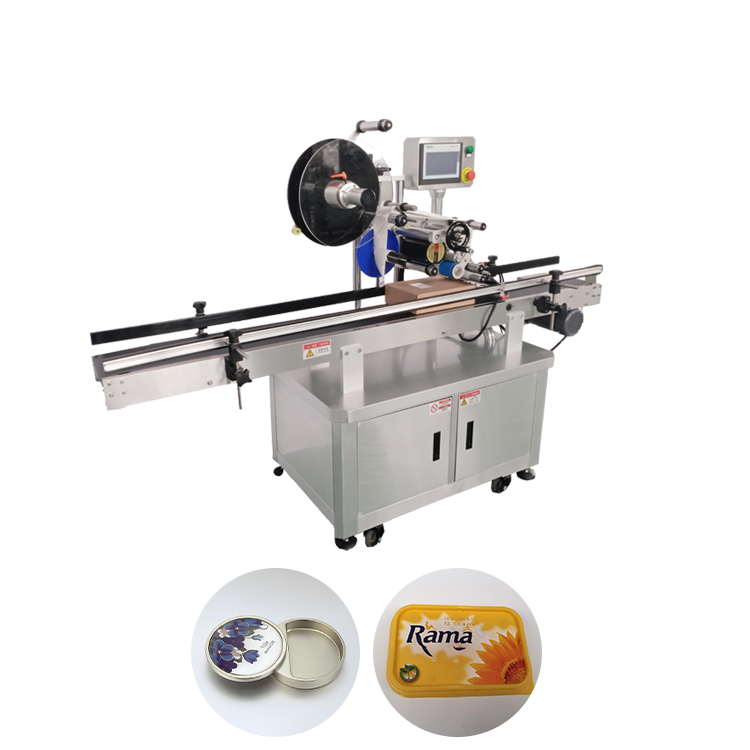
Product portfolios rarely remain static. New container shapes, label sizes, or packaging regulations often require changes to labeling processes. A Labeling Machine with flexible design features can adapt to these changes without requiring full replacement.
Modular construction, adjustable guides, and expandable control systems allow machines to support future upgrades. This flexibility protects investment value and reduces the risk of early obsolescence. Companies that plan for expansion during initial selection are better positioned to respond quickly to market shifts and customer demands.
Robust components, simple structures, and reliable service support reduce downtime and total ownership cost. Long-term reliability often outweighs initial purchase price.
This article explained specifications, features, and benefits of an Automatic Sticker Labeling Machine.It showed how a Labeling Machine improves speed, accuracy, and production stability.Guangzhou Tengzhuo Packing Equipment Co., Ltd. offers reliable labeling solutions.Its machines support flexible formats, easy operation, and long-term value.
A: An automatic sticker Labeling Machine is equipment that applies self-adhesive labels to products without manual handling. It works at high speed and maintains stable accuracy across long production runs.
A: A Labeling Machine improves efficiency by reducing manual operations and keeping labeling speed consistent. It allows labeling to match filling and capping speeds, which helps avoid bottlenecks on the line.
A: Labeling accuracy is important because it ensures regulatory compliance, barcode readability, and a uniform product appearance. Precise placement also reduces rework and rejection rates.
A: A Labeling Machine can handle a wide range of containers, including round bottles, jars, cans, flat boxes, and some irregular shapes, depending on the machine configuration.
A: Yes, an automatic Labeling Machine reduces operating costs by lowering labor requirements and minimizing label waste. Over time, improved efficiency and quality also reduce hidden production expenses.