
T: +86-189-2891-8174
E: wechupack@yeah.net
E: wechupack@yeah.net
104 The Second Building, No.43 Haichong Road, Shiqi Town,Panyu District, Guangzhou City, China


Views: 0 Author: Site Editor Publish Time: 2025-10-06 Origin: Site


Keeping production lines smooth is critical in the beverage industry, and any unplanned halt can immediately impact output and cost. At Guangzhou Tengzhuo Packing Equipment Co., Ltd., we know how essential it is for engineers and maintenance teams to resolve problems quickly and prevent recurring faults. This guide focuses on juice filling machine troubleshooting, offering practical quick fixes, a structured diagnostic approach, and a preventive checklist that helps plants reduce downtime and extend equipment life.
Juice filling machines work in demanding environments, where liquids with varying viscosities, bottles of different shapes, and tight hygiene standards all intersect. When problems arise, addressing them efficiently prevents bottlenecks. Below are seven of the most frequent issues seen in beverage plants, with suggested fixes and root causes to look for.
Uneven fill levels frustrate both operators and consumers. If some bottles come out underfilled and others are overflowing, the most likely culprits are trapped air inside the pump or wear on piston components. A quick fix is to purge the system and ensure air bubbles are eliminated before operation. Inspect piston seals and cylinders regularly; even minor wear can disrupt precise dosing. Long-term, keep spare pistons in stock and schedule routine calibration to keep volumes accurate.
Juice often contains natural sugars and pulp that increase foaming. Excess foam leads to messy overflows and wasted product. Adjusting fill speed and nozzle type usually resolves this quickly. Slow-fill modes or bottom-up filling nozzles help reduce turbulence. If the foaming persists, consider temperature control, as warmer juice tends to create more froth. The root cause is often nozzle mismatch or improper flow settings, which can be corrected by selecting nozzles optimized for the product’s viscosity.
Few issues slow a line faster than bottles stacking up on the conveyor or failing to reach the filling head. Jams usually indicate misaligned sensors, dirty guide rails, or worn belts. Cleaning the conveyor surface and checking sensor calibration often provides a quick remedy. If misfeeds continue, realign star wheels or replace worn chains. Keeping spare photoelectric sensors and belts in your inventory ensures downtime is minimized when these parts fail.
Juice dripping around the filling nozzle or escaping at the cap seam is both a hygiene concern and a waste factor. Start by checking the nozzle seals and ensuring they are tightened properly. Sometimes leakage stems from insufficient capping torque, which can be adjusted by recalibrating the torque heads. The underlying cause is typically aging gaskets or fatigued seals that no longer form tight barriers. A regular replacement schedule for gaskets and torque testing during setup helps avoid this fault.
When automated systems detect contamination risks, production must stop immediately. These alerts often arise from CIP (clean-in-place) failures or breaches in gasket integrity. A quick intervention involves re-running the cleaning cycle and checking all gaskets for cracks or looseness. If alerts persist, verify that the CIP lines are not blocked and that cleaning solutions reach all filling components. Root causes usually include neglected cleaning routines or overlooked wear in sealing materials. Strict adherence to hygiene intervals ensures machines run safely and comply with quality standards.
Loose or overtightened caps can damage product quality and reduce consumer trust. If caps are not seated consistently, start by checking torque settings and recalibrating the capping unit. Worn chucks or slipping clutches are common offenders and should be replaced before they lead to frequent rework. Often, the root issue is lack of routine maintenance on torque heads, which can be mitigated by scheduling monthly checks and stocking spare capping components.
Sensors are the eyes of a juice filling machine, but they are vulnerable to dust, sticky residue, and wiring fatigue. Dirty optics cause false signals, which can be resolved by cleaning sensor lenses with approved wipes. Loose connectors or frayed wires may also trigger irregular faults; reseating or replacing cables usually restores functionality. The deeper cause lies in prolonged exposure to sugary environments without regular cleaning. A weekly inspection of all sensors and cables significantly reduces nuisance alarms.
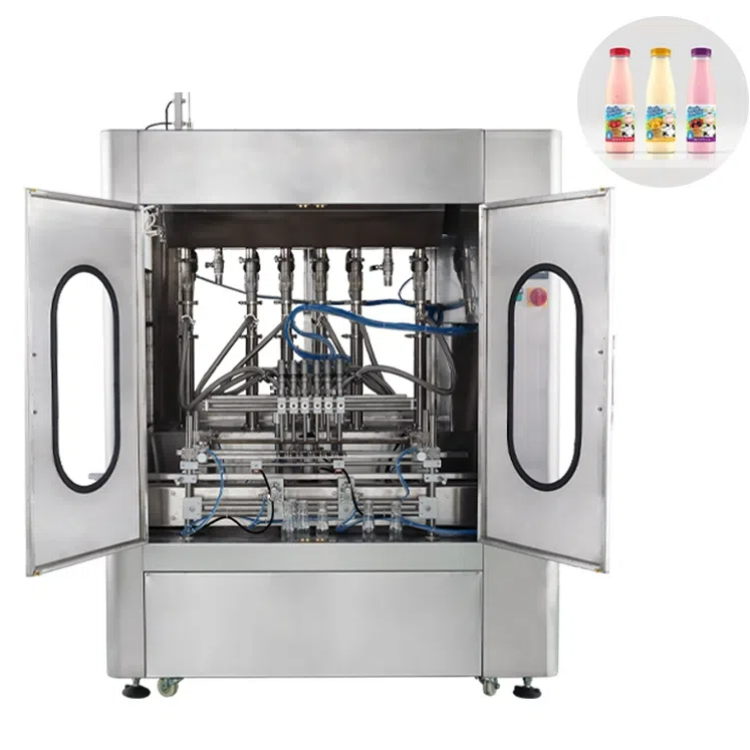
When faults appear, a structured diagnostic flow helps teams act quickly instead of guessing. Before calling for external service, operators should:
Record the exact symptom, including whether it is continuous or intermittent.
Note machine settings such as fill volume, nozzle speed, and torque values.
Log any recent changes, such as new bottle formats or recipe adjustments.
Check the display panel for error codes and reset history.
Inspect visible parts for leaks, residue, or misalignment.
Keeping a detailed log not only accelerates in-house troubleshooting but also equips vendor technicians with the information they need to solve the issue faster. At Guangzhou Tengzhuo Packing Equipment Co., Ltd., our service team always recommends clients maintain a simple troubleshooting sheet at the line, so common problems can be narrowed down before escalation.
Reactive fixes are costly; preventive care ensures juice filling machines operate at peak performance. Establishing a daily, weekly, and monthly plan is key.
Daily checks: Wipe down nozzles, clean sensors, and ensure conveyors are clear. Verify that fill levels remain consistent during startup runs.
Weekly checks: Inspect piston seals, gaskets, and torque heads. Clean CIP lines thoroughly and run water tests to confirm cleanliness. Lubricate moving parts according to the machine manual.
Monthly checks: Replace worn gaskets and seals proactively, test torque calibration, and inspect belts or chains for tension. Review sensor alignment and electrical connections.
Plants should also stock essential spares—seals, pistons, sensors, torque chucks, and belts—so that unexpected breakdowns can be handled immediately. Lubricants suitable for food environments and cleaning chemicals for CIP cycles must always be available on site. Guangzhou Tengzhuo Packing Equipment Co., Ltd. supplies preventive kits tailored to each juice filling machine, ensuring customers have the right parts on hand.
Not every problem requires waiting for a field engineer. With the right setup, remote support often resolves issues in minutes. Our technicians can guide operators through recalibration, software resets, or parameter adjustments via remote tools. This option reduces costs and saves valuable hours of downtime.
However, when the root cause involves mechanical wear, electrical faults, or contamination, an on-site service visit is recommended. In those cases, having a structured log and following the diagnostic flow described above shortens repair times significantly. Guangzhou Tengzhuo Packing Equipment Co., Ltd. offers both remote and field service, with response times adapted to client needs.
Juice filling machine troubleshooting does not have to be overwhelming when a clear plan is in place. By learning the quick fixes for common problems, maintaining a preventive schedule, and knowing when to escalate for service, production teams can minimize downtime and keep lines running smoothly. Guangzhou Tengzhuo Packing Equipment Co., Ltd. provides reliable machines, spare-parts kits, and responsive service options to support beverage producers worldwide. For details about preventive maintenance kits or to request an inspection, contact us today.

