
T: +86-189-2891-8174
E: wechupack@yeah.net
E: wechupack@yeah.net
104 The Second Building, No.43 Haichong Road, Shiqi Town,Panyu District, Guangzhou City, China


Views: 0 Author: Site Editor Publish Time: 2026-02-11 Origin: Site


Have you ever wondered how your favorite beverages are packaged? The bottling machine plays a crucial role in this process. In this article, we’ll explore what a bottling machine is and why it’s essential in the beverage industry. You’ll learn about its components and how they work together to ensure efficient packaging.
Bottling machines come in various types, each designed for specific tasks in the packaging process. Understanding these types helps to appreciate their roles in the industry.
Filling machines are essential for transferring liquids into bottles. They ensure each container is filled accurately and efficiently.
● Types of Filling Machines:Gravity Fillers: These rely on gravity to fill bottles, making them suitable for thin liquids like water or juice.
○ Pressure Fillers: These use pressurized air to push liquid into bottles, ideal for carbonated beverages.
○ Volumetric Fillers: These machines measure the exact volume of liquid dispensed, ensuring precision.
Type of Filler | Best For |
Gravity Fillers | Thin liquids |
Pressure Fillers | Carbonated beverages |
Volumetric Fillers | Accurate volume measurement |
Some filling machines cater to unique products. For instance, machines designed for granules, powders, and gases have specialized mechanisms to handle different materials effectively. They ensure that even challenging products are filled correctly without spillage.
After filling, capping machines securely seal the bottles. This step is vital for maintaining product integrity and preventing contamination.
● Functionality: These machines apply caps or closures using various techniques. Common methods include:Screwing: Twists the cap onto the bottle.
○ Crimping: Seals metal caps tightly onto glass bottles.
○ Snapping: Pushes plastic caps onto containers.
Capping machines can be either manual or automatic. Manual machines require human intervention, making them suitable for small-scale operations. In contrast, automatic capping machines streamline the process, enhancing speed and efficiency, which is crucial for large production lines.
Labeling machines play a key role in branding and providing information about the product. They apply labels to bottles, ensuring they are correctly positioned and adhere well.
● How They Work: These machines use various technologies to apply labels. For instance, they can print directly onto the bottle or use pre-printed labels.
Different labeling techniques cater to various needs:
● Adhesive Labels: Stick to the bottle surface, commonly used for most beverages.
● Heat Transfer Labels: Use heat to transfer ink onto the bottle, providing a smooth finish.
● Inkjet Printing: Directly prints on the bottle, allowing for customization and quick changes.
Once bottles are filled, capped, and labeled, packaging machines prepare them for distribution. This step ensures products are safely transported to retailers and customers.
● Overview of Packaging Processes: These machines automate the process of grouping and packing bottles into boxes or crates.
Various techniques are employed in packaging:
● Shrink-wrapping: Wraps products in plastic that shrinks when heated, securing them together.
● Boxing: Places bottles into boxes for easy handling and transport.
● Bagging: Groups bottles in bags, ideal for bulk sales.
Packaging Technique | Description |
Shrink-wrapping | Secures products with heat-shrinkable plastic |
Boxing | Organizes bottles into boxes for transport |
Bagging | Groups bottles in bags for bulk sales |
Bottling machines operate through a series of well-coordinated steps, ensuring that every bottle is filled, sealed, and labeled correctly. Let’s break down this process into five key steps.
Before any liquid enters the bottles, they must be thoroughly cleaned and sanitized. This step is crucial to prevent contamination and ensure product safety.
● Importance of Cleaning: Clean containers help maintain the quality of the beverage. Any residue from previous contents can spoil the new product.
● Methods Used for Cleaning:Washing: Bottles are often washed using high-pressure jets of water and detergent to remove dirt and residues.
○ Sterilizing: After washing, bottles may undergo sterilization using heat or chemical agents to eliminate any remaining bacteria.
Once the containers are ready, they move to the filling station. Here, the actual bottling occurs, and precision is key.
● How the Filling Process Works: Bottles are positioned under filling nozzles that dispense the liquid.
● Role of Filling Nozzles and Sensors: Nozzles are designed to minimize spillage while sensors monitor the filling process.
● Measurement of Liquid Volume: Accurate volume measurement is vital. Many machines use volumetric fillers to ensure each bottle receives the correct amount.
Filling Method | Description |
Gravity Fillers | Use gravity to fill bottles with thin liquids. |
Pressure Fillers | Utilize air pressure for carbonated beverages. |
Volumetric Fillers | Measure and dispense exact liquid volumes. |
Modern bottling machines incorporate automation to enhance efficiency. Sensors play a critical role in this automation, providing real-time feedback to ensure accuracy throughout the filling process. This technology reduces human error, resulting in a more reliable operation.
After filling, the next step is to cap or seal the bottles. This process is essential to maintain product integrity and freshness.
● Overview of Capping Processes: Capping machines apply various types of closures, ensuring that each bottle is securely sealed.
● Importance of Sealing: A proper seal prevents leaks and contamination, preserving the quality of the beverage until it reaches the consumer.
Once the bottles are capped, they move to the labeling station. Labels provide crucial information about the product.
● Information Typically Included on Labels: This often includes the product name, ingredients, nutritional information, and expiration dates.
● Techniques Used for Labeling:Adhesive Labels: Commonly used to stick labels onto bottles quickly.
○ Heat Transfer Labels: Applied using heat, allowing for a smooth finish.
Labeling Technique | Advantages |
Adhesive Labels | Quick application and cost-effective. |
Heat Transfer Labels | Provides a high-quality appearance and durability. |
Finally, the filled, capped, and labeled bottles are prepared for transport. Packaging is a critical step in the supply chain.
● Methods of Packaging Bottles for Transport: Bottles are typically grouped into boxes or shrink-wrapped for protection during shipping.
● Importance of Packaging in the Supply Chain: Proper packaging ensures that products are delivered safely to retailers and customers, maintaining their quality throughout transit.
Before the bottles leave the facility, a final inspection is conducted. This step ensures that labels are applied correctly and legibly. Any discrepancies are addressed to maintain high standards of quality and compliance with regulations.
This thorough process demonstrates the complexity and precision involved in bottling. Each step is crucial to delivering a quality product to consumers.
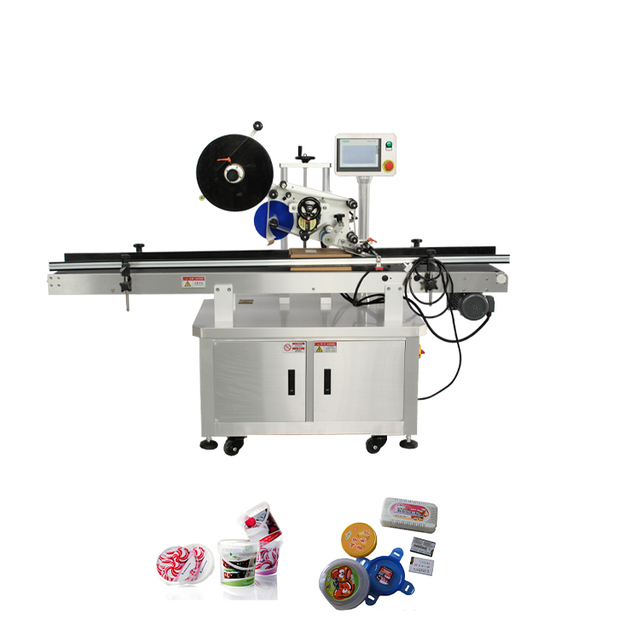
Understanding the key components of a bottling machine is essential to grasp how it operates efficiently. These machines consist of various input and output devices that work together seamlessly.
Input devices are crucial for controlling the operation of the bottling machine. They allow operators to manage the machine's functions and ensure it runs smoothly.
Momentary switches are often used for manual control functions. These switches allow operators to start or stop specific processes temporarily. For example, pressing a button might initiate the filling process or pause the machine for maintenance.
● Functionality: They enable quick adjustments during operation, which is vital in a fast-paced environment.
Selector switches determine the mode of operation for the bottling machine. Operators can choose between manual and automatic modes based on production needs.
● Manual Mode: This allows for direct control over the machine, suitable for smaller operations or maintenance.
● Automatic Mode: In this mode, the machine runs independently, optimizing efficiency and speed for large-scale production.
Photo-eye sensors play a significant role in detecting and counting bottles as they move through the machine. These sensors use light beams to identify when a bottle is present, ensuring that the filling and capping processes are synchronized.
● Importance: They help maintain accuracy in the production line, preventing overfilling or missed bottles.
Output devices are responsible for the machine's actions after receiving input from the operators. They execute the tasks necessary to complete the bottling process.
The conveyor belt motor is a vital component that moves bottles through different stages of the bottling process. It ensures a continuous flow of bottles from one station to another, enhancing overall efficiency.
● Functionality: This motor can be adjusted for speed, allowing operators to control how quickly bottles are processed.
Drain valves play a critical role in controlling liquid flow within the bottling machine. These valves open and close to manage the amount of liquid dispensed into each bottle.
● Role: Proper functioning of drain valves prevents leaks and ensures that each bottle receives the correct volume of liquid.
Signal lamps provide visual indications of the machine's status. They alert operators to various conditions, such as when the machine is running, if a malfunction occurs, or if maintenance is required.
● Importance: These lamps enhance safety and operational awareness, allowing for quick responses to any issues.
Advanced sensors are increasingly being used in modern bottling machines. These sensors enhance accuracy in counting and filling bottles, improving the overall efficiency of the production line.
● Use of Multiple Sensors: By integrating various sensors, machines can monitor multiple processes simultaneously, ensuring that each step is completed correctly.
Component | Functionality |
Momentary Switches | Allow temporary control of machine functions. |
Selector Switches | Choose between manual and automatic operation. |
Photo-eye Sensors | Detect and count bottles on the production line. |
Conveyor Belt Motor | Moves bottles through different processing stages. |
Drain Valves | Control the flow of liquid into bottles. |
Signal Lamps | Indicate the machine's operational status. |
Advanced Sensors | Improve accuracy in counting and filling processes. |
These components work together to create an efficient and reliable bottling machine, ensuring that the entire bottling process runs smoothly and effectively.
Bottling machines can operate in different modes, each tailored to specific production needs. Understanding these modes helps manufacturers choose the right setup for their operations.
In manual mode, operators have direct control over the bottling process. This mode is particularly useful in smaller operations or during maintenance tasks.
● Description of Manual Controls: Operators use various controls, such as buttons and levers, to manage each step of the bottling process. This includes starting and stopping the filling, capping, and labeling functions.
● When and Why Manual Mode is Used: Manual mode is often employed when flexibility is needed. For instance, small batches or specialty products may require adjustments that automated systems cannot easily accommodate. Additionally, during maintenance or troubleshooting, manual control allows operators to test individual components without running the entire machine.
Automatic mode streamlines the bottling process by allowing the machine to operate independently. This mode is ideal for high-volume production environments where efficiency is crucial.
● Explanation of Automated Processes: In automatic mode, the bottling machine uses pre-set programs to manage the filling, capping, and labeling processes. Sensors and control systems monitor each step, ensuring that everything runs smoothly.
● Benefits of Automation in Bottling: Automation offers several advantages:
○ Increased Efficiency: Machines can operate continuously at high speeds, significantly reducing production time.
○ Consistency and Accuracy: Automated systems provide precise measurements and consistent quality across all bottles.
○ Reduced Labor Costs: With fewer manual interventions required, companies can save on labor expenses.
Benefit | Description |
Increased Efficiency | Higher production speeds and reduced downtime. |
Consistency | Uniformity in filling and labeling processes. |
Reduced Labor Costs | Fewer workers needed for operation. |
Robotics plays a significant role in enhancing the automation of bottling machines. By integrating robotic systems, manufacturers can further streamline their processes.
● How Robotics Streamline the Bottling Process: Robots can handle tasks such as placing bottles on conveyor belts, applying labels, and packing finished products. This not only speeds up the process but also minimizes the risk of human error.
● Example Applications: In modern bottling facilities, robotic arms are often used for capping and packaging, allowing for rapid adjustments between different product lines. This flexibility is essential for companies that produce a variety of beverages.
By utilizing both manual and automatic modes, bottling machines can adapt to different production requirements, ensuring efficiency and quality in every step of the bottling process.
Bottling machines play a crucial role in the beverage industry. They ensure efficient filling, capping, and labeling processes. Understanding their modes of operation helps manufacturers optimize production. Manual and automatic modes each serve unique needs, enhancing flexibility and efficiency.
For those considering bottling machines, Tengzhuo offers innovative solutions that provide exceptional value. Their products are designed for reliability and efficiency, making them ideal for various production environments. Reach out to Tengzhuo for more information or to explore bottling machine options tailored to your needs.
A: A bottling machine is a device used to fill, cap, and label bottles efficiently in the beverage industry.
A: A bottling machine works by automating the filling, capping, and labeling processes, ensuring consistency and speed.
A: Using a bottling machine increases production efficiency and reduces labor costs, making it essential for large-scale operations.
A: An automatic bottling machine offers higher speed, accuracy, and reduced human error compared to manual systems.
A: The cost of a bottling machine varies based on features and capacity, ranging from a few thousand to tens of thousands of dollars.
A: If your bottling machine malfunctions, consult the user manual for troubleshooting tips or contact a professional technician for assistance.


