
T: +86-189-2891-8174
E: wechupack@yeah.net
E: wechupack@yeah.net
104 The Second Building, No.43 Haichong Road, Shiqi Town,Panyu District, Guangzhou City, China


Views: 0 Author: Site Editor Publish Time: 2025-12-24 Origin: Site


Have you ever wondered how aluminum cans stay fresh and safe? The secret lies in the sealing process.
In this article, we will explore how aluminum cans are sealed to preserve their contents and ensure product safety. You’ll learn about the different sealing methods and the technologies involved in this essential step of canning.
Sealing aluminum cans is not just about closing the lid—it’s a precise process that ensures the contents are kept safe from external contamination. The seal forms an airtight barrier, preventing the entry of air, moisture, and microorganisms. This is especially critical for beverages and perishable products, where exposure to air can lead to spoilage. Sealing also helps maintain carbonation in drinks and preserves the product's flavor and freshness.
In addition, can sealing contributes to maintaining product shelf life. Without proper sealing, cans can become vulnerable to leakage or contamination, rendering the product unsafe for consumption. Therefore, sealing is as much about product protection as it is about maintaining quality.
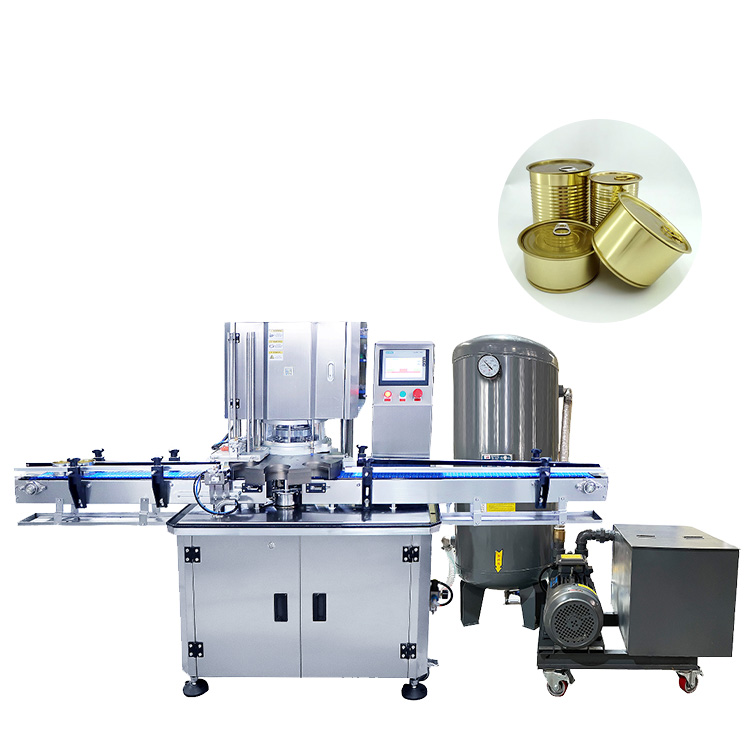
The aluminum can sealing process involves several key steps, each crucial to ensuring a secure, reliable seal:
1. Filling: The can is first filled with the product, whether it's a beverage, food, or any other liquid.
2. Applying the Lid: After the can is filled, a lid (or end) is placed over the opening.
3. Sealing: The can is then sealed using a method such as double-seam sealing, which is one of the most common methods used in the industry.
4. Inspection: Finally, the sealed cans undergo rigorous quality control tests to ensure there are no leaks or defects.
The sealing process must be carried out with precision to avoid issues such as dents, misalignment, or air pockets that could compromise the can's integrity.
The most widely used sealing method for aluminum cans is the double-seam seal. This technique involves curling the can’s rim and the lid to create a secure, airtight seal that prevents any leakage. The process is called “double seam” because the sealing method creates two seams that provide an extra layer of protection.
The double-seam seal is a critical part of aluminum can packaging because it ensures that no air or moisture can enter the can, keeping the contents safe from contamination. This method also provides a tamper-evident feature, as any tampering would show visible signs of damage to the seam.
Sealing Method | Description | Common Uses |
Double Seam Seal | A method where the can lid is sealed with a double seam, ensuring airtight protection. | Most commonly used for beverages and food cans. |
Push-On Seal | A seal that uses pressure to secure the lid onto the can, commonly used for non-carbonated products. | Used for non-carbonated beverages or canned food. |
Crimp Seal | A mechanical seal that involves pressing the can's edge to the lid, forming a tight bond. | Used in small-scale or specialized packaging. |
An effective seal depends on the proper matching of the can body and the can end (the lid). The lid must perfectly align with the body of the can to create a tight seal. This is particularly important in ensuring the integrity of the double-seam process.
Any mismatch between the can end and body can lead to gaps in the seal, which would compromise the product’s safety and shelf life. The can’s body must be precisely manufactured to ensure it fits correctly with the lid during the sealing process.
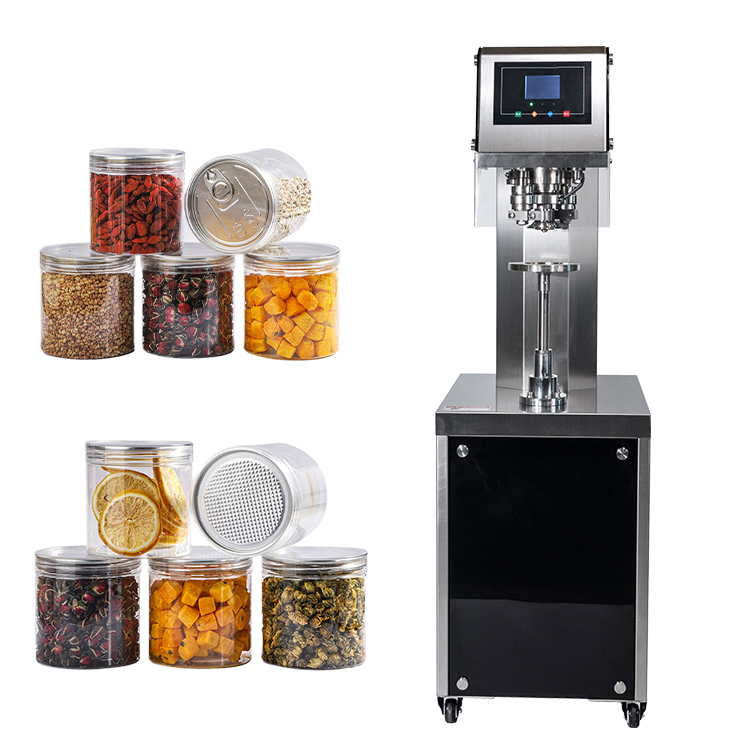
Some products require specialized sealing methods. For example, cans containing carbonated beverages need to maintain high pressure inside the can to prevent the carbonation from escaping. In such cases, manufacturers may use thicker, more durable aluminum and more robust sealing techniques to maintain the product’s integrity under high pressure.
Similarly, cans containing food products that require a vacuum seal (such as soups or sauces) must use specific techniques to ensure that the seal holds under different conditions. The sealing method for food cans often involves vacuum sealing, which helps remove air and maintain freshness.
The sealing of aluminum cans is carried out using high-precision machines designed to handle large volumes of cans. These machines are equipped with technology that ensures the lids are applied and sealed securely, maintaining consistent quality throughout the production process.
Sealing machines vary based on the production scale. Smaller manufacturers may use semi-automatic machines, while larger producers use fully automated sealing systems that can handle thousands of cans per minute. These machines are crucial for maintaining speed and efficiency in large-scale canning operations.
Sealing Machine Type | Description | Best Suited For |
Semi-Automatic Machine | Requires manual input but automates some sealing processes, typically used in small-scale production. | Small to medium-scale production with less demand for speed. |
Fully Automatic Machine | Fully automated systems designed to handle high-volume production with minimal human intervention. | High-volume, mass production for large beverage or food companies. |
Rotary Sealing Machine | Uses a rotating mechanism to seal multiple cans simultaneously, optimizing speed and consistency. | Large-scale production lines with high throughput requirements. |
There are two primary types of sealing systems: automatic and manual. Automatic systems are the most commonly used in industrial settings due to their efficiency and ability to handle high volumes of cans. These systems are designed to feed, fill, seal, and inspect cans at a rapid pace, reducing human labor and minimizing the risk of error.
Manual sealing systems, on the other hand, are typically used in small-scale or artisanal production. These systems require operators to manually align and seal each can, which can be slower and less efficient but offers more control over the process.
Recent advancements in sealing technology have improved both the speed and precision of aluminum can sealing. For example, some manufacturers now use automated can sealing lines that incorporate vision systems to detect defects, ensuring that only properly sealed cans reach the market. Additionally, new sealing materials and methods are being explored to enhance the sustainability of the canning process, such as using recyclable seals or energy-efficient sealing systems.
To ensure the effectiveness of the aluminum can seal, manufacturers conduct various quality control tests. These include pressure testing, where the can is filled with air or gas to check for leaks, and vacuum testing, which helps detect any air inside the can that could affect product quality.
Another common test is the “seal integrity test,” which involves applying pressure to the can’s seal to check for any signs of leakage or weakness. This is essential to ensure the cans are properly sealed and capable of maintaining their contents under normal storage conditions.
The sealing process must adhere to strict industry standards and regulations to ensure product safety. In many countries, including the United States, packaging standards for aluminum cans are regulated by organizations such as the Food and Drug Administration (FDA) and the American National Standards Institute (ANSI). These organizations set guidelines for can sealing, including specifications for the type of materials used, the sealing process, and testing procedures.
Compliance with these regulations helps manufacturers ensure their products are safe for consumption and that they meet legal requirements for tamper-evident packaging.
Proper sealing is essential for preserving the freshness of the product inside the can. For beverages, sealing prevents the loss of carbonation, which is vital for taste and texture. For food products, it helps maintain flavor, color, and nutritional value by protecting the product from oxygen and light.
In addition to preserving the product, a secure seal also ensures the can’s contents remain safe from external contamination, reducing the risk of spoilage and maintaining the product’s overall quality over time.
Leaks and improperly sealed cans are not only a waste of product but also pose a safety risk to consumers. A leaky can can lead to bacterial contamination, which could result in foodborne illnesses. Proper can sealing prevents these risks, ensuring that products remain safe throughout their shelf life.
Some common issues in the can sealing process include misalignment of the lid and can body, defective seams, or improper sealing pressure. These issues can cause leaks, reduce the effectiveness of the seal, or even lead to product contamination.
Another issue can be the presence of air pockets or dents in the can, which affect the seal’s integrity. To prevent such problems, regular maintenance and inspection of sealing machinery are essential.
To solve these common sealing challenges, manufacturers invest in regular maintenance of their machinery, including cleaning and recalibrating machines. Additionally, using high-quality materials and ensuring the proper alignment of can lids and bodies during the sealing process can help reduce defects.
Advanced can sealing systems, which incorporate automated detection systems, are also helpful in identifying and correcting potential problems before they affect the final product.
Aluminum can sealing is vital for ensuring product safety and freshness. The process uses advanced sealing methods like double seams to create airtight, tamper-evident cans. Guangzhou Tengzhuo Packing Equipment Co., Ltd. provides innovative can sealing solutions that enhance efficiency and quality in the packaging process, offering reliable equipment that meets industry standards.
A: Aluminum cans are typically sealed using a double-seam method, where the can body and lid are tightly joined to prevent leakage and maintain product freshness.
A: Sealing aluminum cans ensures the contents remain fresh, prevents contamination, and preserves carbonation or flavor by creating an airtight barrier.
A: The most common seal used in aluminum cans is the double-seam seal, which provides a strong, airtight bond between the can and lid.
A: Aluminum cans are sealed using high-precision sealing machines, ranging from manual to automated systems, depending on production scale.
A: Proper sealing prevents air and moisture from entering the can, which helps preserve the product’s freshness and extends its shelf life.


