
T: +86-189-2891-8174
E: wechupack@yeah.net
E: wechupack@yeah.net
104 The Second Building, No.43 Haichong Road, Shiqi Town,Panyu District, Guangzhou City, China


Views: 0 Author: Site Editor Publish Time: 2026-02-09 Origin: Site


Have you ever wondered how products are labeled so perfectly? A bottle labeling machine is essential in achieving that precision. Labeling is crucial in the packaging industry, ensuring products are identifiable and compliant with regulations. In this article, we’ll explore everything about bottle labeling machines, including their features, functions, and how to choose the right one for your needs.
A bottle labeling machine is a vital tool in the packaging industry. It automates the process of applying labels to bottles, ensuring accuracy and efficiency. These machines are designed to handle various bottle shapes and sizes, making them suitable for different products like beverages, cosmetics, and pharmaceuticals.
Bottle labeling machines come in three main types:
1. Automatic Bottle Labeling Machines
a. These machines operate independently and require minimal human intervention. They can label hundreds to thousands of bottles per hour, making them ideal for large-scale production.
b. Automatic machines often come with advanced features, such as integrated vision systems for quality control.
2. Semi-Automatic Bottle Labeling Machines
a. Semi-automatic machines require some manual input, such as placing bottles on the conveyor. However, they still provide a significant speed boost compared to manual labeling.
b. This type is perfect for small to medium-sized businesses that need flexibility without full automation.
3. Manual Bottle Labeling Machines
a. Manual machines are operated by hand and are the most affordable option. They are suitable for small batches and startups.
b. While they lack the speed of automatic machines, they offer simplicity and ease of use.
A typical bottle labeling machine consists of several essential components:
● Conveyor System: This is the backbone of the machine. It transports bottles through the labeling process, ensuring they are correctly spaced and aligned. The conveyor can be designed with various belts or rollers, adapting to different bottle shapes.
● Labeling Station: This is where the labels are applied. The labeling station includes a labeling wheel that presses the label onto the bottle, ensuring a secure fit. Some machines feature adjustable labeling heads to accommodate different bottle sizes.
● Control Panel: The control panel allows operators to set parameters like labeling speed and bottle spacing. Advanced models may include touch screens for ease of use.
● Adhesive System: This component manages the application of glue or adhesive to the labels. Proper adhesive management is crucial for ensuring labels stick correctly without excess glue.
Component | Function |
Conveyor System | Transports bottles through the labeling process |
Labeling Station | Applies labels to bottles |
Control Panel | Sets labeling parameters |
Adhesive System | Manages glue application |
Understanding these components helps in choosing the right machine for specific labeling needs. Whether it's an automatic, semi-automatic, or manual machine, each type has unique features that cater to different production requirements.
Bottle labeling machines are designed to optimize the labeling process in various industries. They offer several key features that enhance efficiency, accuracy, versatility, and user-friendliness.
One of the standout features of a bottle labeling machine is its ability to significantly improve production speed. These machines can label hundreds or even thousands of bottles per hour, far exceeding what manual methods can achieve.
Comparison with Manual Labeling Methods:
● Manual Labeling: Typically, one person can label around 20-30 bottles per minute. This method is time-consuming and prone to errors.
● Automatic Labeling: In contrast, an automatic machine can label 300-600 bottles per minute, depending on the model. This efficiency leads to higher productivity and reduced labor costs.
Method | Bottles Labeled Per Minute | Advantages |
Manual | 20-30 | Low initial cost, simple operation |
Automatic | 300-600 | High speed, consistent quality |
Accuracy is crucial in labeling, as it ensures that labels are applied correctly. A misaligned label can lead to product recalls or customer dissatisfaction.
Technology Used for Accuracy:
● Sensors: Many machines are equipped with sensors that detect the position of each bottle. This ensures that labels are placed precisely where they need to be.
● Vision Systems: Advanced models may include vision systems that check for label quality and alignment. If a label is misaligned or damaged, the machine can automatically reject it, maintaining high standards.
Bottle labeling machines are incredibly versatile, capable of handling various shapes and sizes of bottles. This flexibility makes them suitable for a wide range of products.
Examples of Materials and Products:
● PET Bottles: Commonly used for beverages, these lightweight bottles are easy to label.
● Glass Bottles: Often used in cosmetics and food products, glass requires careful handling during labeling.
● Aluminum Cans: These are popular in the beverage industry, and labeling machines can easily adapt to different can sizes.
Ease of operation is another significant feature of bottle labeling machines. They are designed for quick setup and maintenance, which is vital for busy production lines.
Features That Facilitate Quick Adjustments:
● Adjustable Components: Many machines have adjustable labeling heads and conveyor speeds. This allows operators to quickly switch between different bottle sizes.
● Preventing Label Jams: Features like feeding worms and pocket systems help prevent label jams, ensuring smooth operation.
Overall, these features make bottle labeling machines essential tools in modern packaging, improving productivity while maintaining high standards of quality and accuracy.
Safety is a top priority in the operation of bottle labeling machines. These machines are equipped with various safety features designed to protect operators and ensure smooth operation.
Bottle labeling machines often include built-in safety mechanisms to prevent accidents during operation.
Overview of Safety Sensors and Emergency Stops:
● Safety Sensors: These sensors detect any obstructions or malfunctions in the machine. If an issue arises, the machine will automatically halt to prevent injury.
● Emergency Stops: Most machines have easily accessible emergency stop buttons. Operators can quickly shut down the machine in case of an emergency, ensuring immediate safety.
The importance of user safety cannot be overstated. By incorporating these features, manufacturers help minimize the risk of accidents, creating a safer working environment.
Bottle labeling machines must adhere to various safety standards and regulations to ensure they are safe for use.
Overview of Safety Standards and Certifications:
● ISO Certification: Many machines comply with International Organization for Standardization (ISO) standards, which set quality and safety benchmarks.
● CE Marking: In Europe, machines must have CE marking, indicating compliance with health, safety, and environmental protection standards.
These certifications assure users that the machines meet rigorous safety requirements, providing peace of mind.
Another critical safety feature is the maintenance alert system. These systems notify operators of potential maintenance needs or malfunctions before they escalate into serious issues.
Key Functions of Maintenance Alerts:
● Real-Time Monitoring: Many machines are equipped with sensors that monitor performance. If they detect any irregularities, they send alerts to the operators.
● Scheduled Maintenance Reminders: Some machines have built-in schedules for regular maintenance checks. By reminding users when maintenance is due, these alerts help prevent breakdowns and ensure optimal performance.
Safety Feature | Function |
Safety Sensors | Detects obstructions and halts the machine |
Emergency Stops | Allows for immediate shutdown in emergencies |
ISO Certification | Ensures compliance with international safety standards |
CE Marking | Indicates adherence to EU safety regulations |
Maintenance Alerts | Notifies users of maintenance needs |
By focusing on these safety features, bottle labeling machines not only enhance operational efficiency but also prioritize the well-being of the workforce. This commitment to safety is essential for maintaining a productive and secure working environment.
The conveyor system is a crucial component of bottle labeling machines, ensuring efficient movement of bottles throughout the labeling process. It plays a significant role in maintaining productivity and accuracy in labeling operations.
The conveyor system is designed to transport bottles smoothly through various stages of labeling. It ensures that each bottle is positioned correctly for label application, which is essential for achieving high-quality results.
Importance of Spacing and Alignment:
● Proper spacing between bottles is vital. If bottles are too close together, labels may overlap or misalign, leading to waste and rework.
● Accurate alignment guarantees that labels are applied consistently, enhancing the overall appearance of the product.
There are several types of conveyor systems used in bottle labeling machines, each designed to meet specific needs.
1. Belt Conveyors:
a. These are the most common type, featuring a continuous loop of material that moves bottles along the production line. They are easy to maintain and can handle various bottle sizes.
2. Roller Conveyors:
a. These systems use rollers to transport bottles, allowing for smooth movement. They are particularly useful for heavier bottles and can be configured in various layouts.
3. Chain Conveyors:
a. Chain conveyors are robust and ideal for heavy-duty applications. They provide excellent support for large or oddly shaped bottles.
Conveyor Type | Advantages | Best Use Cases |
Belt Conveyors | Easy maintenance, versatile | General bottle labeling |
Roller Conveyors | Smooth movement, great for heavier bottles | Heavy-duty applications |
Chain Conveyors | Robust design, supports large bottles | Industrial settings |
Automatic speed control is another significant feature of modern conveyor systems. This technology allows the conveyor speed to adjust automatically based on the labeling speed.
Benefits of Automatically Adjusting Conveyor Speed:
● Increased Efficiency: By matching the conveyor speed to the labeling machine’s output, it minimizes bottlenecks and maximizes throughput.
● Reduced Labor Costs: Fewer manual adjustments are needed, allowing operators to focus on other tasks.
● Improved Product Quality: Consistent speed helps maintain proper alignment and spacing, ensuring high-quality labeling.
Overall, the conveyor system in bottle labeling machines enhances operational efficiency, ensuring that bottles are labeled accurately and quickly. By understanding its design, types, and functionalities, businesses can optimize their labeling processes and improve productivity.
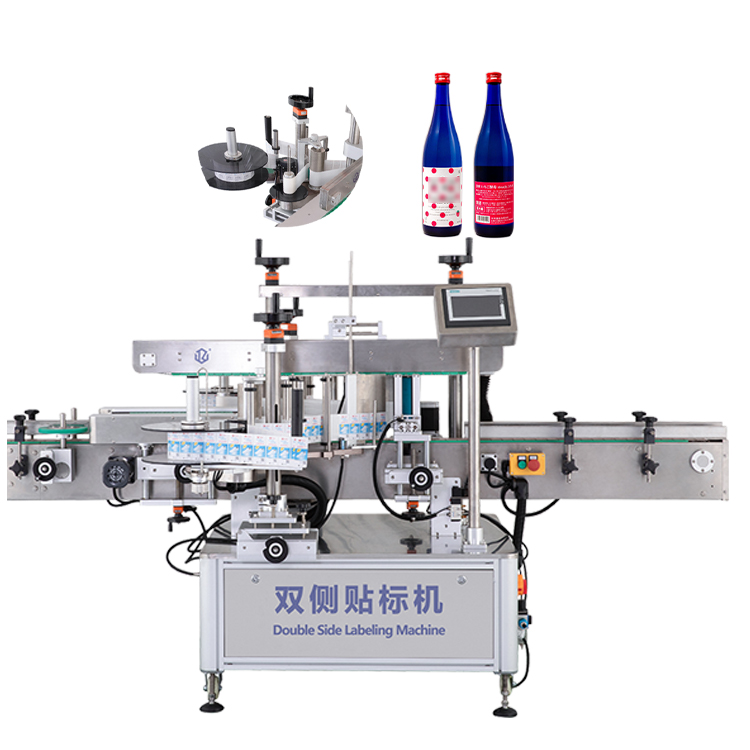
Selecting the right bottle labeling machine is crucial for ensuring efficient production and maintaining product quality. With various options available, it’s essential to assess your specific needs and budget while considering future requirements.
Before making a purchase, consider several key factors that will influence your choice of a bottle labeling machine.
Factors to Consider:
● Production Volume: Determine how many bottles you need to label per hour. High-volume operations may require automatic machines, while smaller businesses might opt for semi-automatic or manual options.
● Bottle Types: Different bottles (glass, plastic, aluminum) may require specific labeling techniques. Ensure the machine can handle the shapes and sizes you use.
● Label Sizes: The size and type of labels you plan to use will impact your choice. Some machines are better suited for larger labels, while others excel with smaller ones.
When investing in a bottle labeling machine, budget is a significant factor to consider.
Average Cost Range:
● Manual Machines: Typically range from $1,000 to $5,000. They are affordable but may not offer the speed needed for larger operations.
● Semi-Automatic Machines: Generally cost between $5,000 and $15,000, providing a balance of efficiency and cost.
● Automatic Machines: These can range from $15,000 to over $100,000, depending on features and capabilities.
Machine Type | Price Range | Ideal For |
Manual | $1,000 - $5,000 | Small businesses, low volume |
Semi-Automatic | $5,000 - $15,000 | Medium-sized operations |
Automatic | $15,000 - $100,000+ | High-volume production |
Cost vs. Benefits Analysis: Investing in a higher-quality machine may lead to lower operational costs over time, thanks to increased efficiency and reduced labor needs. Consider the long-term savings and productivity gains when evaluating options.
As your business grows, your labeling needs may change. Selecting a machine that can adapt to future requirements is essential.
Importance of Flexibility:
● Modular Design: Look for machines that allow for easy upgrades or modifications. This can save you money in the long run as your production needs evolve.
● Versatile Features: Machines that can handle various bottle shapes, sizes, and label types will be more beneficial as you expand your product line.
Choosing a reputable supplier is vital for ensuring you receive a reliable machine and excellent support.
Importance of Choosing a Supplier:
● Strong Track Record: Research suppliers with positive reviews and a history of providing quality machines. A good reputation often indicates reliability and customer satisfaction.
● Support Services: Ensure the supplier offers robust customer support, including installation, training, and maintenance services. This can significantly impact your machine's performance and longevity.
By carefully considering these factors, you can make an informed decision when choosing the right bottle labeling machine for your business. This strategic approach will help ensure that your investment meets both current and future needs.
Proper maintenance of bottle labeling machines is essential for ensuring their longevity and optimal performance. Regular upkeep can prevent costly downtime and enhance productivity in your packaging operations.
Keeping your bottle labeling machine in top condition requires consistent attention to cleaning and maintenance.
Cleaning and Upkeep Tips:
● Daily Cleaning: After each production run, it’s crucial to clean the machine thoroughly. This includes wiping down surfaces, removing dust, and cleaning any sticky residues from labels or adhesives.
● Weekly Inspections: Perform detailed inspections weekly. Check for loose screws, worn belts, and any signs of wear on components. Addressing these issues early can prevent more significant problems later.
Importance of Lubrication and Part Replacement:
● Lubrication: Regular lubrication of moving parts is vital. It reduces friction, minimizes wear, and ensures smooth operation. Use the manufacturer-recommended lubricants for best results.
● Part Replacement: Over time, certain components may wear out and need replacement. Keeping a stock of essential spare parts can minimize downtime when repairs are necessary.
Maintenance Task | Frequency | Purpose |
Daily Cleaning | After each run | Prevents residue build-up |
Weekly Inspections | Weekly | Identifies wear and potential issues |
Lubrication | Monthly | Reduces friction and wear |
Part Replacement | As needed | Ensures optimal performance |
Even with regular maintenance, issues can still arise during operation. Here are some common problems and their solutions.
Common Problems and Their Solutions:
● Label Jams: This can occur if labels are improperly loaded or if the machine is dirty. To resolve this, check the label feed mechanism, clean the area, and ensure labels are correctly aligned.
● Misalignment: If labels are not being applied straight, it may be due to improper spacing on the conveyor or calibration issues. Adjust the conveyor speed and check the alignment settings on the machine.
● Adhesive Problems: If labels are peeling off, it might be due to insufficient adhesive application. Inspect the adhesive system to ensure it is functioning correctly, and consider adjusting the adhesive settings.
Training operators on the proper use and maintenance of bottle labeling machines is crucial for minimizing errors and enhancing efficiency.
Training for Operators:
● Understanding the Machine: Operators should be familiar with all functions of the machine, including how to troubleshoot common issues. This knowledge can significantly reduce downtime during production.
● Safety Protocols: Training should also cover safety practices to ensure operators can work without risk of injury. Understanding emergency stops and safety features is essential.
● Regular Updates: As technology evolves, ongoing training ensures that operators stay current with the latest features and best practices for the machine.
By implementing regular maintenance practices, addressing common issues promptly, and ensuring thorough training for operators, businesses can maximize the efficiency and reliability of their bottle labeling machines. This proactive approach contributes to smoother operations and higher-quality output.
Bottle labeling machines play a vital role across various industries, enhancing efficiency and consistency in product packaging. Their versatility allows them to be utilized in numerous applications, making them essential tools in modern manufacturing.
In the food and beverage sector, labeling is crucial for compliance, branding, and consumer information.
Key Uses:
● Beverage Bottles: Machines are used extensively for labeling soft drinks, juices, and alcoholic beverages. They ensure that labels are applied accurately and consistently, which is essential for brand identity.
● Food Products: From sauces to canned goods, these machines help provide nutritional information, ingredients, and expiration dates, ensuring consumers have the necessary details.
The pharmaceutical industry requires strict adherence to labeling regulations for safety and compliance.
Applications:
● Medicine Bottles: Accurate labeling is critical for prescription and over-the-counter medications. Labels must include dosage instructions, warnings, and expiration dates.
● Health Supplements: These products often have specific labeling requirements to inform consumers about ingredients and health benefits.
Industry | Typical Products | Labeling Requirements |
Food and Beverage | Soft drinks, sauces, canned goods | Nutritional info, branding, expiration |
Pharmaceutical | Prescription drugs, health supplements | Dosage, warnings, ingredient lists |
The cosmetic industry relies heavily on effective labeling to attract customers and provide essential product information.
Common Uses:
● Beauty Products: Labels on shampoos, lotions, and makeup must clearly state ingredients, usage instructions, and safety warnings. Attractive designs also help in branding.
● Personal Care Items: From deodorants to skincare, accurate labeling enhances customer trust and compliance with regulations.
In industrial settings, labeling machines are essential for safety and proper handling of chemicals.
Key Functions:
● Chemical Bottles: Labels must include hazard warnings, handling instructions, and safety data sheets. This ensures safe usage and compliance with regulations.
● Lubricants and Oils: These products require clear labeling for proper application and safety measures.
Bottle labeling machines can also be tailored for unique applications across various sectors.
Examples:
● Craft Breweries: Smaller operations often need flexible machines that can handle different bottle sizes and shapes.
● Specialty Foods: Artisanal products may require custom labels, and machines can be adjusted to accommodate these needs.
By understanding the diverse applications of bottle labeling machines, businesses can select the right equipment to meet their specific needs. Whether in food, pharmaceuticals, cosmetics, or industrial products, these machines enhance efficiency while ensuring compliance and quality.
Bottle labeling machines are essential for efficient packaging. They enhance product visibility and ensure compliance across various industries. Investing in a reliable labeling machine can significantly improve operational efficiency. We encourage you to consider the benefits of these machines for your business. For more information or to explore options, contact Tengzhuo, where our products offer unique advantages and exceptional value for your labeling needs.
A: Bottle labeling machines are devices used to apply labels to bottles efficiently and accurately, ensuring proper branding and compliance.
A: Label machines streamline the labeling process, reducing manual labor and increasing speed, which enhances overall production efficiency.
A: Investing in label machines can significantly improve product presentation and ensure regulatory compliance, leading to better customer trust.
A: The cost of bottle labeling machines varies widely based on features, typically ranging from a few thousand to tens of thousands of dollars.
A: Common issues include label jams and misalignment. Regular maintenance and proper training can help minimize these problems.


